Connecting the Past with the Present while Looking to the Future:
Our Modernization of the CCNY Student Center
November 10, 2025
Project Platypus
Ange Compere
Aaron Hernandez
Brandon Macoto
Carina Mercedes
Introduction:
“I want to drop out.” As a college student we hear this often among our peers and we have each felt this frustration ourselves. Yet, we persist. The actual validity of students’ statements (whether they do or do not drop out) comes down to the support they have. According to Chithira Johnson in the article “Student Support in Higher Education: Campus Service Utilization, Impact, and Challenges,” (Johnson 2022) the support services such as tutoring, mentoring, counseling services, financial aid assistance will improve student life and increase persistence beyond the first year. The City College of New York provides strong academic and professional services, but it lacks accessible recreational and communal spaces where students can gather, rest, and form meaningful connections.
Most CCNY students commute long distances and spend extended periods on campus without a designated area to spend their time. Due to the lack of designated space, many students resort to the library as a hangout spot, which becomes a disturbance to others who are trying to focus. Below is a survey given to CCNY students that shows where they spend their free time. More information on the amount of time students spend commuting to campus, time spent on campus (see Appendix A) demonstrates a clear need for a dedicated student center. Figure 1 indicates where CCNY students spend their time on campus. The appendix provides additional details, including the duration of student commutes and the amount of time they spend on campus.
| Home | 13 |
| On campus | 17 |
| Misc | 11 |
Figure 1: Survey of places students passes most of their time
The core of this proposal is to introduce Benny’s Union, a dedicated student center that will address CCNY needs.The proposed student center would enhance student wellness by improving the mental health of students and encourage students to develop social skills that they may use to network with people in their ongoing professional lives.
Action Plan:
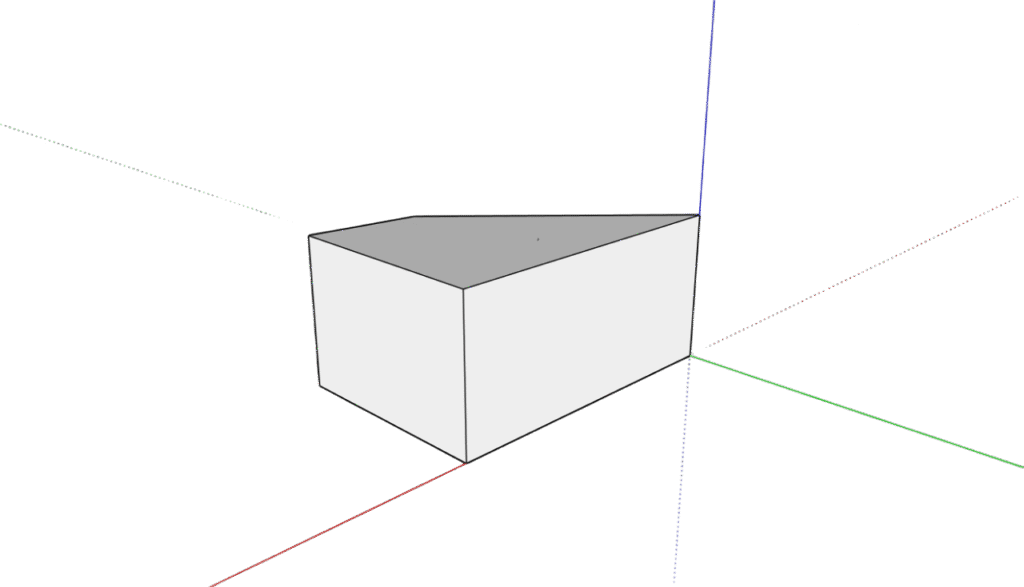
The Platypus Project team is dedicated to answer to CCNY needs by providing a modern student center, a place for community, social and professional building. Located at the corner of Convent Ave and West 135th Street, the Benny’s Union will be the place for students. The Benny’s Union is a 120,000 sq foot four story building that includes everything a student may need for their campus life. Let’s break down the unique offerings of each floor.
First floor: The first floor will be the welcoming area for students as soon as they walk in the building. This floor will have many windows to allow for natural light to enter the room and to make the space feel open. At the door there will be a security guard checking student ID cards to allow for a safe space for students to spend time between classes or with friends fro oh m school.
This floor will have comfortable couches and chairs that allow for students to take a break between classes. Whether they choose to complete homework or scroll on social media, students will feel comfortable, allowing for classmates to sit close by and begin conversations with new friends. Underneath is a floor plan of the welcome floor.
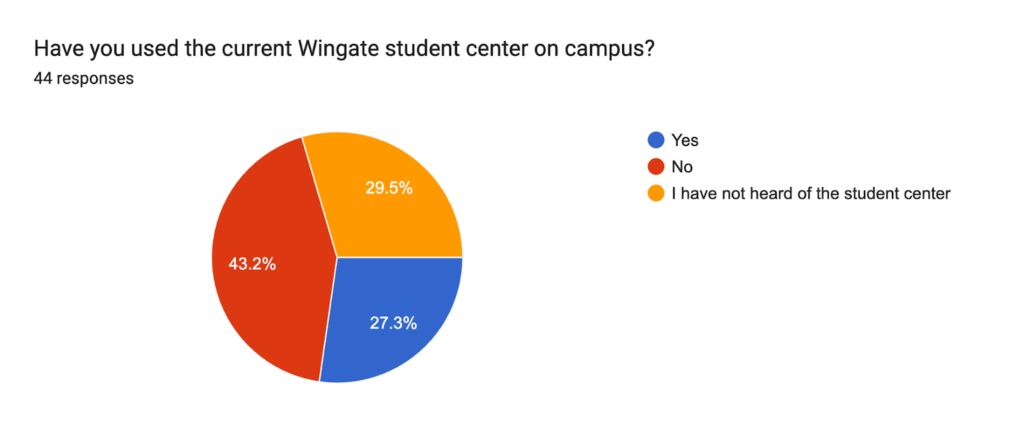
Figure 2: Showing the layout of the first floor
Second floor: The second floor is to provide a supportive academic environment. It entails areas for group and individual studies. It can be accessed through the elevator , or through the stairs that lead directly to the group studies area. The individual areas include sound proof pods to reduce the noise circulation that occurs from the group study area. In addition to the pods there are also private rooms with white board walls. Similar to the pods, they are also noise canceling, again to provide minimal distraction. The study area is designed to maximize space for students to both work together and individually as there are not many current enclosed areas where students can be alone if they wish. To make the environment comfortable, couches are available in group study areas and individual pods. Women and Mens bathrooms are also available on this floor and are along the wall of the elevator. Below is a floor plan of the imagined space.
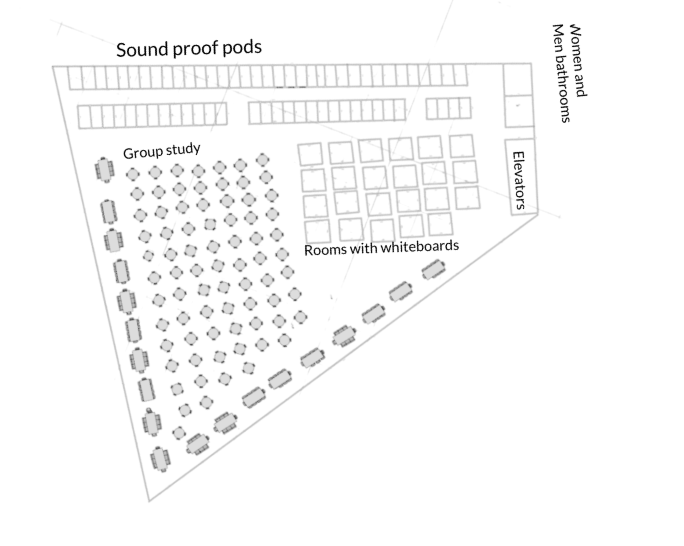
Figure 3: Showing the layout of the second floor.
Third floor: The Third floor of Benny’s Union is designed to hold the majority of the clubs at CCNY by providing individual rooms for which they can use as an open space or as a meeting area. The individual club rooms will feature chairs, couches and tables for comfortability and potential wide use of functions.
The floor holds gaming sections and social hubs that include pool and pingpong tables. Similar to the other floors, this floor can be accessed through the stairs or elevators. The third floor is meant to serve as a means to increase the retention of information students’ are gaining and as a stress outlet. The article , “6 reasons why Entertainment is Crucial for College Students”, further emphasizes this argument by stating, “When you study for a long time, your concentration reduces.” Providing a space where students take a break from their work allows them to renew their mind, and have a greater capacity to maintain a longer stretch of focus, when they are ready to work again. Taking a break helps students “… become more healthy and productive.” (Thompson 2020). With all this in mind, we can provide a suitable spot on campus for students to unwind from the stressful semester. Below is the floor plan of the potential entertainment floor.
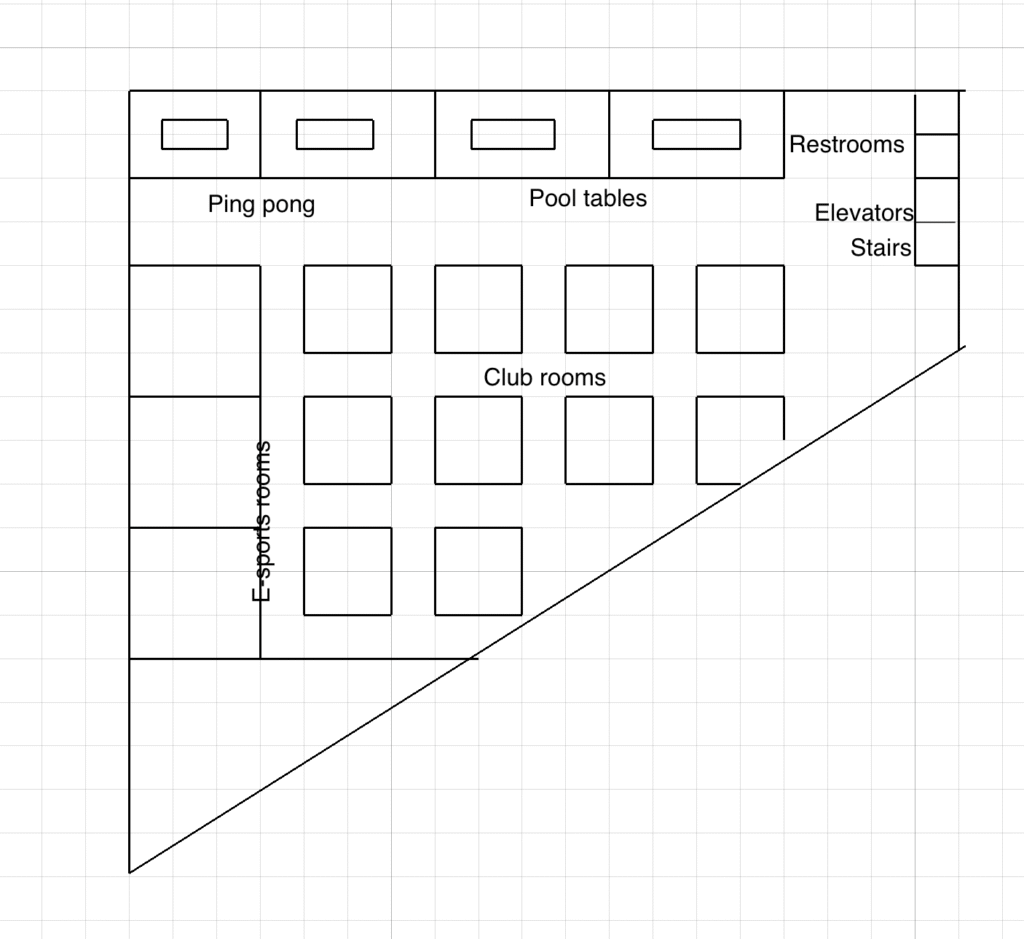
Figure 4: Showing the layout of third floor
Fourth floor: The final floor – the fourth –is the most active of all, it was built with athletes in mind. This floor, which can be accessed through the elevator or stairs, has been designed to support physical fitness and athletic development. This dedicated fitness level features a weight room, a multi-lane indoor track, and a full-size court configurable for basketball and volleyball. To accommodate diverse fitness interests the fourth floor also includes a spacious, empty classroom available for yoga or meditation and any instructor-led group exercises classes. Additionally, updated locker rooms with private changing areas and showers are included.
Modeled after the acclaimed Stony Brook Student Center (and other similar facilities), this space is engineered to provide ample natural sunlight and expansive space, thereby enhancing the overall fitness experience.
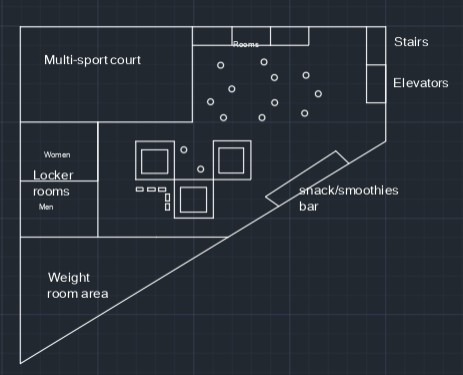
Figure 5: Showing the layout of the fourth floor
Construction Timeline:
Project Phases & Estimated Durations
1. Pre-Development & Programming (3–6 months)
2. Design & Engineering (8–14 months)
3. Permitting & Agency Approvals (4–9 months, overlaps with Design)
4. Construction Phase (16–24 months)
A. Site Preparation & Foundations (3–5 months)
B. Structural Frame (4–7 months)
C. Building Envelope (4–7 months)
D. Interior Build-Out (6–10 months)
E. Testing, Commissioning & Close-Out (2–4 months)
Best Case: 2.5 years
Expected: 3 years
Extended: 3.5 years
Figure 6: Ganitt chart showing each part of construction and the expected time to complete.
Cost and Benefits:
Costs: To fully realize the vision for the new Project Platypus Student Center, we are requesting a capital budget request of around 41.1 millions. This figure encompasses all necessary expenditures, from the building’s construction to the complete furnishing of all three floors. As shown in the budget allocation we are requesting $40 million for building cost, and $1.6 million for furnishings and miscellaneous.
| Item | Budget Allocation |
| Building cost | $40,000,000 |
| Furnishings (first floor) | $250,000 |
| Furnishings (second floor) | $350,000 |
| Furnishings (third floor) | $350,000 |
| Furnishings (fourth floor) | $500,000 |
| Misc | $150,000 |
| Total Budget | $41,600,000 |
Figure 7: Breakdown of disbursement of total budget.
Benefits: The Project Platypus Student Center represents a crucial investment in the future of our institution. According to Steven Couras, director of resident life and student conduct at Drew University in New Jersey, “The lack of involvement in campus activities often correlates with a weaker sense of belonging, which can play a significant role in retention.” Drawing on Forrester’s (2014) argument that participation in campus recreation contributes to the development of essential skills, the student center acts as a catalyst for growth during this unique time in students’ lives where they are defining themselves and their concept of success. This sense of belonging and community is important at CCNY, where many of our students are commuters and among those students a majority have a break of more than an hour in between classes (see figure A3) . As a result, a portion of students spend their time in the library, or struggle to find an area to peacefully study and hangout.
To remediate this issue Benny’s Union is proposed as a dedicated, full-scope facility that will allow academic excellence to flourish within a supportive environment. The primary benefit of Benny’s Union is student well-being. Academic excellence cannot flourish without a supportive environment. A dedicated student center will reduce stress, strengthen community, and create opportunities for students to learn, socialize, and thrive.
Our Team – Project Platypus:
Our team is made up of multiple disciplines within engineering. These diverse experiences give us an insight into the lives of all kinds of engineering students and give us many ideas on how to improve students’ lives. Below we list our team and their experience listed alphabetically.
Ange Compere is a junior Electrical Engineering student at The City College of New York. Her passion for science started during her years at Benjamin Franklin High School For Finance & Technology, where she was part of a Tech Club. Her experiences at the Tech Club and her passion for science eventually drove her to pursue an associate degree in Engineering Science and her current bachelor’s program. Throughout this period, she maintained her position as a research assistant, in a physics laboratory whose goal is to create a Data Acquisition box (DAQ) to gather information from cosmic rays. She has been involved in the circuitry and building of the box and applied her coursework to real life problems. Her research on MOSFET devices helped the overall performance of the DAQ box, permitting easier voltage control within the box. Ange is now focused on pursuing research in Quantum Computing and development roles and desires to create innovative devices that will help people’s lives.
Aaron Hernandez transferred to The City College of New York after attending various schools in Utah. He is studying Mechanical Engineering with the desire to work in automotive engineering after his schooling is complete. He has held two internships, both using SolidWorks to design products for startup companies. He is currently a member of fsae (formula society of automotive engineers), assisting in the design of a school formula competition car. Outside the classroom, he enjoys watching sports: baseball, college and professional football, hockey, and formula 1. He is an active runner, plays tennis, and wants to find a space on campus that will allow him to stay healthy and fit.
Brandon Macoto is a second year student, leaning towards studying Mechanical Engineering at The City College of New York. He went to A. Phillip Randolph Campus Highschool where he was able to develop his leadership in a diverse team.Through his experience in Student Government. that Student Government held throughout the course of his role in office. He aspires to later on implement his skills within a club that he frequents to. Taking his position as an E-board member of the club, MEXSA. He also enjoys listening to music, learning how to cook and loves to play video games. Brandon hopes to one day inspire others to pursue achievements that push representation of a culturally diverse society, where we can all live in harmony. Free of Racial Profiling and equal representation.
Carina Mercedes is a second year biomedical engineering student at The City College of New York. She went to school at Williamsburg Preparatory High School where she was able to develop skills like leadership and communication. During her high school years, She was proactive in organizing fundraisers for study abroad scholarships, and setting up events. Her skills in leadership and communication later translated into her time in the Biomedical Engineering Society Club, where she participated in a three day competition. In this competition she was grouped with her peers to innovate a prototype of a device that will assist people with neurodegenerative diseases. While she enjoys problem solving and working with others during her free time she spends time alone reading, cooking and sometimes exploring what the city has to offer. Carina hopes to one day develop other devices that will help people gain accessibility in the world with the knowledge she has gained at CCNY.
Conclusion
The creation of Benny’s Union is not simply a construction project, but an investment in the academic success, emotional well-being, and community life of CCNY students. As our research and student survey data demonstrate, City College students often spend long hours on campus without a designated space where they can rest, study collaboratively, socialize, or support their physical and mental health. By offering areas for academic collaboration, personal downtime, and athletic activity, Benny’s Union directly addresses these needs. A student center such as this strengthens campus culture, encourages student involvement, and supports persistence toward graduation by fostering a sense of belonging.
This proposal represents a step toward redefining the CCNY student experience. Not just for a select group, but for every student who walks through our campus. Benny’s Union is designed to help students feel seen, supported, and connected, enriching both their academic journey and personal growth. Through this project, we are not only building a space, but strengthening the foundation of our community and setting the stage for a more engaged, supported, and successful student body for years to come.
References:
Ezarik, M. (2024). Could Campus Activity Involvement Keep Students in College? Inside Higher Ed website
Forrester, S. (2014). The benefits of campus recreation. Corvallis, OR: NIRSA: Leaders in Collegiate Recreation.
Johnson (2022). Chithira et al. “Student support in higher education: campus service utilization, impact, and challenges.” Heliyon vol. 8,12 e12559
Sasaki (2025). A bold, eye-catching design that sets a new benchmark for the campus. Sasaki Website
Rosser, J. C., Jr., Lynch, P. J., Cuddihy, L., Gentile, D. A., Klonsky, J., & Merrell, R. (2007). The impact of video games on training surgeons in the 21st century. Archives of Surgery, 142(2), 181-186.
Thompson, G (2020) 6 Reasons Why Entertainment Is Crucial for College Students. UNF spinnaker
Appendix A
Analysis of Student Survey
This appendix serves to display full data of the survey conducted to analyze the need for a student center. The results in this survey include, the amount of time students commute to and from campus, where they spend their time on campus, their academic year, and their knowledge or lack of knowledge.
Figure A1 Current Figure Academic year of surveyed students
Figure A2: Time of Students’ commute
Figure A3: Percentage of students’ who have more than 1hr break
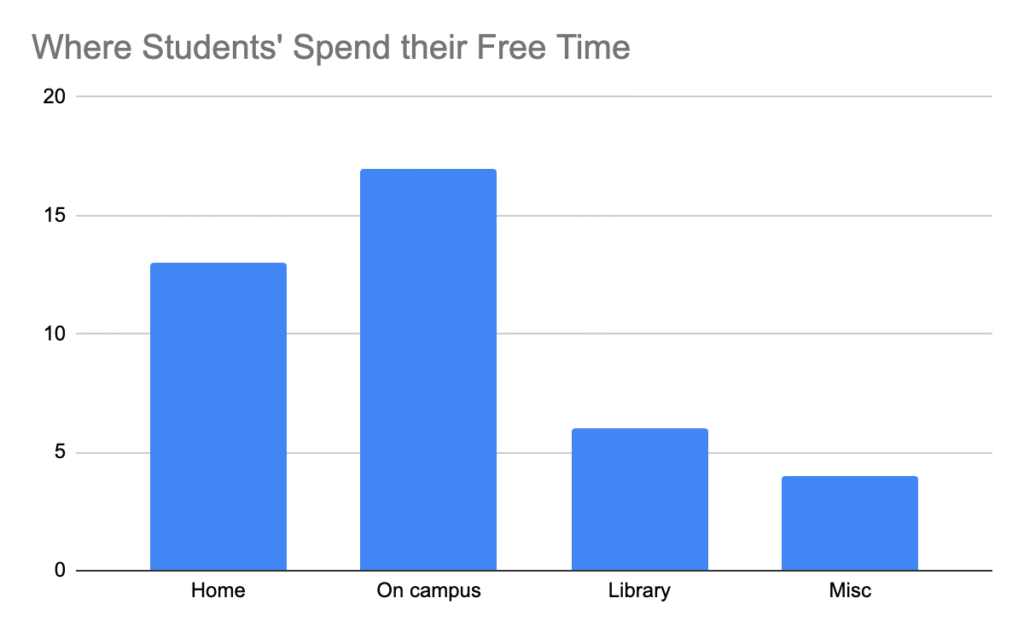
Figure A4: Graph of where students spend their time
Figure A5: percentage of students who have used Wingate center

